
CANCEL
Fully automatic screen changers play a crucial role in industrial production, but they may occasionally encounter malfunctions. Below are several common fault scenarios and their corresponding solutions:
Leakage at Inlet/Outlet Flange Connections
Cause: Misalignment between the screen changer and the screw or flow channel inlet, or loose flange bolts.
Solution: Adjust the flow port position to ensure perfect alignment between the changer and the screw or flow port; retighten the flange bolts to secure the connection.
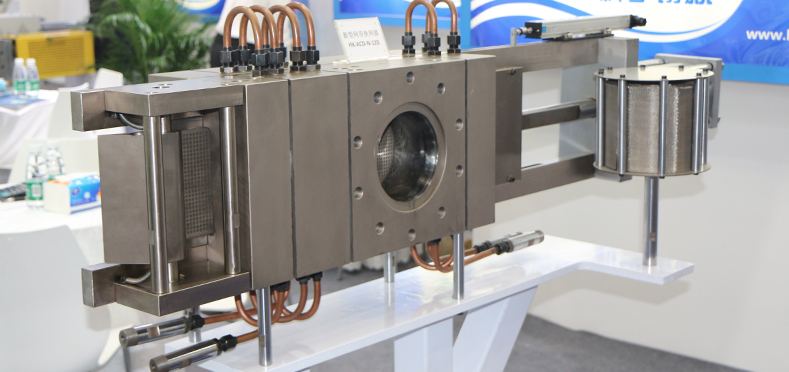
Reduced or Absent Cooling Water Flow at Outlet
Cause: Rust and debris buildup in the cooling water circuit due to prolonged use.
Solution: Descale the water circuit of the changer to restore smooth water flow.
Leakage at the Screen Inlet
Cause: Insufficient cooling water flow, excessive screen change intervals, or excessively high screen change pressure.
Solution: Increase the cooling water flow rate, adjust the automatic screen changer's screen change interval, and reduce the screen change pressure.
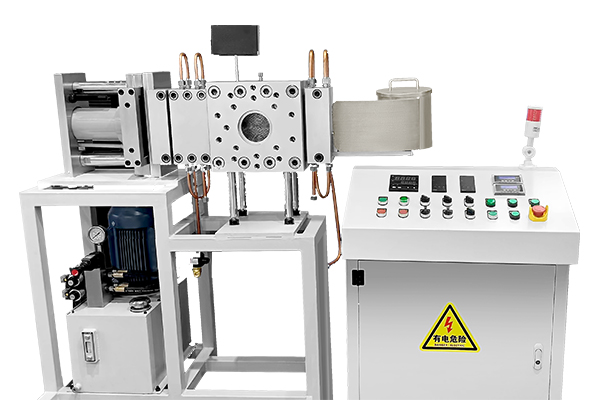
Implementing the above measures will ensure the fully automatic screen changer resumes normal operation, providing reliable support for production.
Material selection of melt pump
What materials can the melt pump transport?
Application areas of plastic extrusion melt pumps
Heiko Company had participated in the CHINAPLAS 2024.
Polymer melt filtration / Extruder screen changer
Common Faults and Solutions for Fully Automatic Screen Changers
Dual-Column Screen Changer for Underwater Granulation Production Lines
Single-Column Dual-Station Screen Changer
Single-Plate Screen Changer for Multi-Scenario Extruders
Core Advantages of Dual-Piston Screen Changers in Plastic Pelletizing