
CANCEL
The working pressure of a twin-shaft melt gear pump depends on three core parameters: inlet pressure, outlet pressure, and pressure differential. Pressure specifications vary across models and application scenarios, with specific ranges as follows:
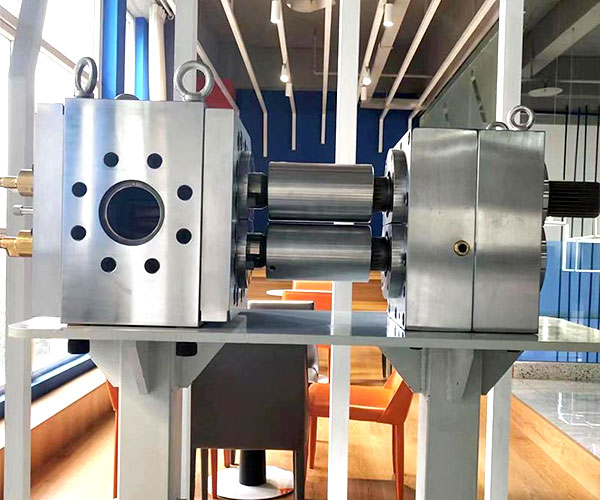
Inlet Pressure: Standard models typically handle inlet pressures ranging from vacuum to 12 MPa, suitable for high-viscosity melt transfer applications with demanding inlet pressure requirements.
Discharge Pressure: This key parameter reflects the pump's pressure-boosting capability. Standard twin-shaft melt gear pumps typically operate below 35 MPa discharge pressure. Custom high-temperature/high-pressure models designed for specialty polymer processing can achieve discharge pressures up to 50 MPa. However, such customized products involve higher costs due to specialized materials and structural design.
Pressure Differential: The maximum pressure differential for most dual-shaft melt gear pumps in the industry is consistently stable at 25MPa. This stable parameter prevents material backflow or uneven delivery caused by pressure fluctuations during melt transportation, meeting the extrusion process requirements for most plastics, resins, and other polymer materials.
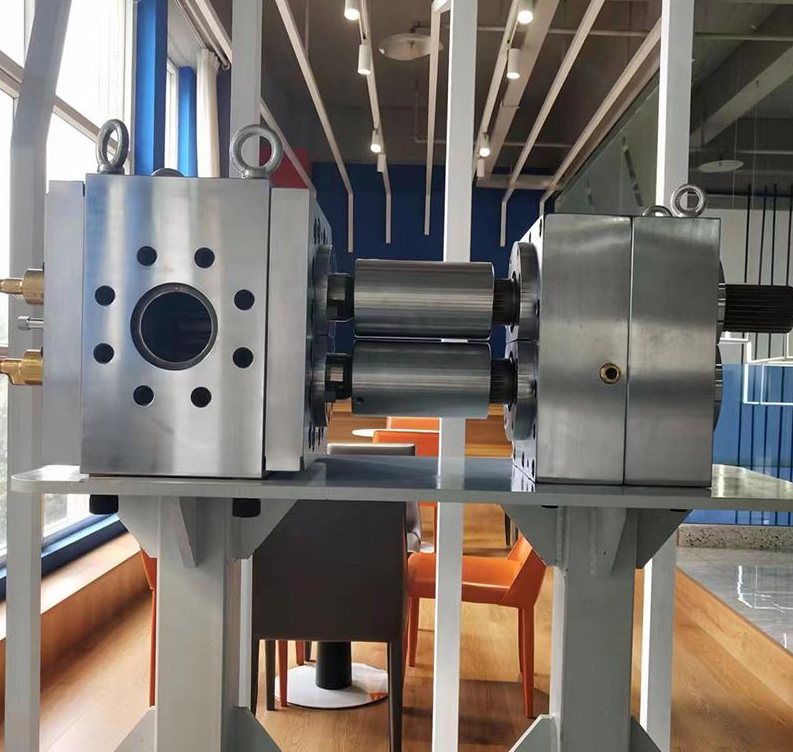
Overall, in general applications, the outlet pressure of twin-screw melt gear pumps typically ranges between 35–40 MPa with a differential pressure of approximately 25 MPa. Specialized custom models can exceed these limits to meet the high-pressure requirements for processing engineering plastics and other specialized materials.
PREVIOUS: What is a screen changer?
NEXT: 最后一页
Material selection of melt pump
What materials can the melt pump transport?
Application areas of plastic extrusion melt pumps
Heiko Company had participated in the CHINAPLAS 2024.
What is the maximum working pressure of a twin-shaft melt gear pump?
What is a screen changer?
How is the working pressure of a reactor melt-pump adjusted?
Analysis of Core Application Areas for Screen Changers
plastic filament extrusion machine screen changer
Plastic Filament Extrusion Melt Metering Pump