
CANCEL
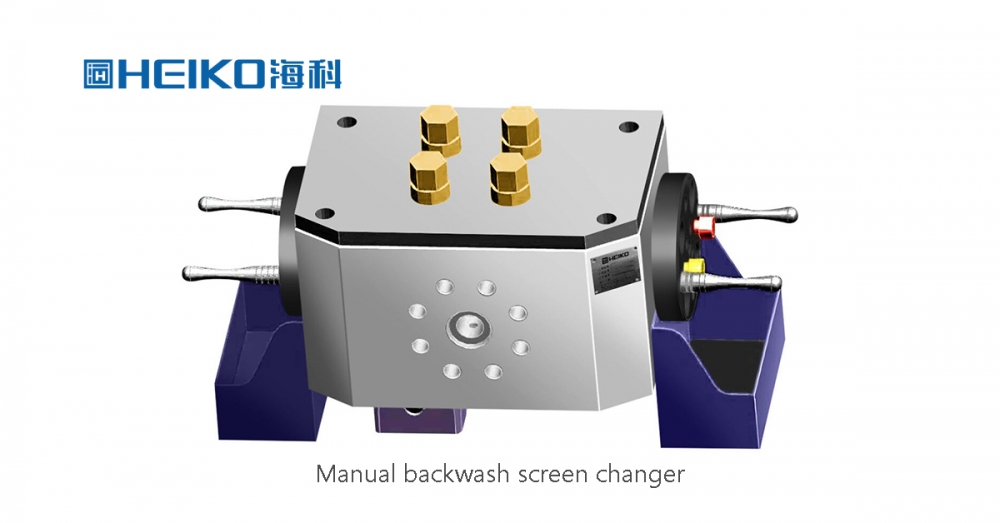
A manual screen changer is a cost-effective melt filtration device for plastic and rubber extrusion lines. It filters out unmelted particles, carbonized gels, metal debris and other contaminants from polymer melt, protecting downstream dies, melt pumps and final product quality. Unlike hydraulic or continuous screen changers, it requires a short line stop for screen replacement, which makes it the preferred melt filter for specific production scenarios where low investment, compact footprint and simple maintenance are prioritized.
Main Application Scenarios
1. Laboratory, R&D and Pilot Extrusion Lines
Manual screen changers are widely used on lab extruders, compounding pilot lines and material formulation testing lines. R&D teams frequently switch resin types, additives and color masterbatches. The simple slide-plate structure enables fast screen pack removal, thorough cleaning and material changeover. With low dead space and easy disassembly, it prevents cross-contamination between different test materials. It also serves as protective filtration for small melt pumps in lab testing systems.
2. Small-Batch & Multi-Variety Extrusion Production
For factories running frequent product changeovers and small-batch orders, manual screen changers deliver strong value. Typical lines include small blown film, cast film, plastic sheet, pipe and profile extrusion. When screen clogging cycles are long and screen change frequency is low, manufacturers avoid the high capital cost of hydraulic screen changers. Operators can replace screens without complex hydraulic stations or electrical control systems.
3. Masterbatch and Color Compounding Lines
Virgin resin plus pigment, fillers and additives generate small hard agglomerates during compounding. A manual screen changer removes these agglomerates to improve color uniformity and surface finish of masterbatch pellets. It fits well for low-to-medium output masterbatch lines with clean raw material input and moderate impurity levels.
4. Low-Capacity Plastic Recycling & Reclaim Granulation
Small recycling workshops processing clean PE, PP, PET regrind often adopt manual screen changers. It filters paper, dust and hard impurities from reclaimed melt. This option works best when the feed material is pre-sorted and contamination rate is not high. Heavily contaminated recycling streams normally need continuous or backflush filters instead.
5. Auxiliary Protection for Melt Pumps and Downstream Dies
Many extrusion lines install a manual screen changer before the melt pump as a primary safety filter. It intercepts large hard particles that would scratch gear teeth or damage precision die channels. It acts as a low-cost guard component for high-value downstream equipment on stable, clean virgin resin.
Who Should Choose a Manual Screen Changer?
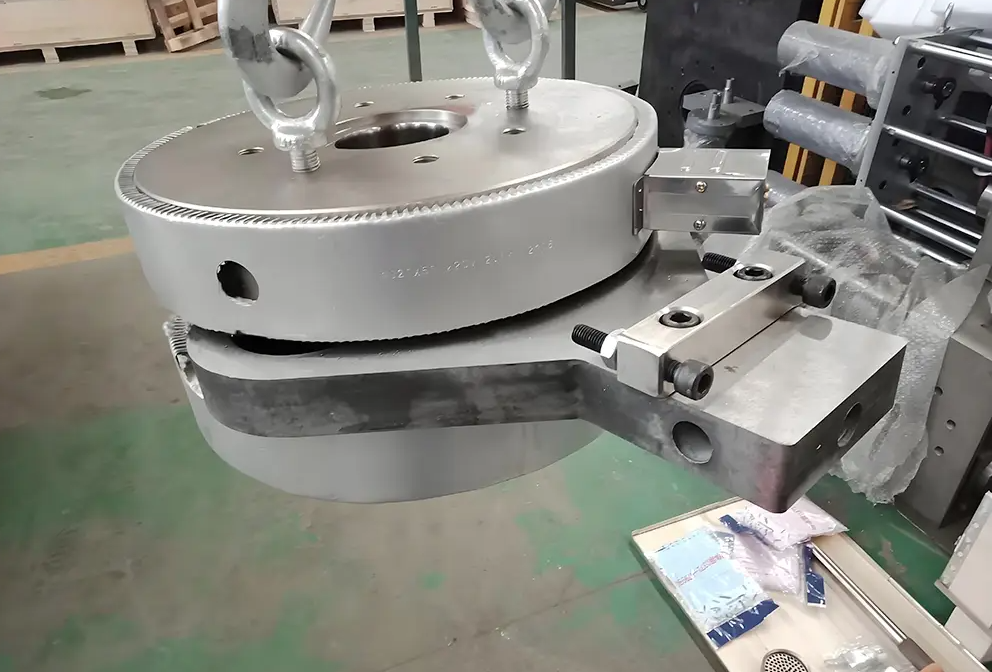
Manual screen changers shine for lines with limited installation space, tight machinery budget, infrequent screen replacement and regular material switching. If your production runs 24/7 with heavy contamination and frequent screen clogging, hydraulic or continuous screen changers will be more suitable.
PREVIOUS: Melt Pump for Plastic Film Extrusion Production Line
NEXT: 最后一页
Material selection of melt pump
What materials can the melt pump transport?
Application areas of plastic extrusion melt pumps
Heiko Company had participated in the CHINAPLAS 2024.
Manual Screen Changer: Key Application Scenarios in Polymer Extrusion
Melt Pump for Plastic Film Extrusion Production Line
Why Melt Pumps Are Required for 3D Printing Filament Production Lines?
How to Solve Fluctuations on Cast Film Lines After Installing a Melt Pump
Why are melt-pumps installed on high-end cable filling rope production lines?
Application of single board dual station hydraulic screen changer